AQL Inspection: What the Numbers Mean
AQL is not 'the percentage of bad products you agree to receive'. That shortcut causes a lot of bad inspection decisions.
Quick Answer
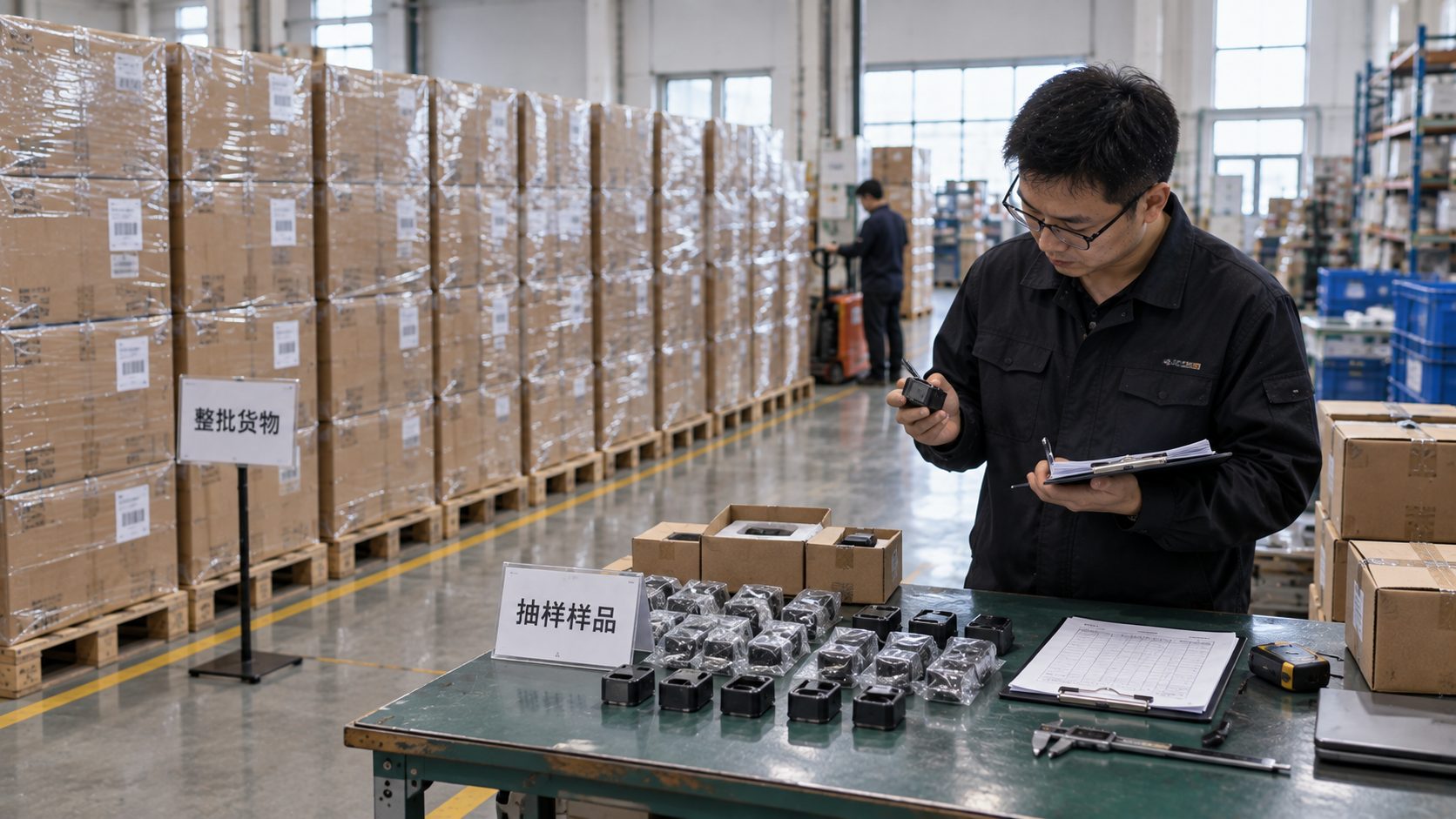
AQL is an index used in an acceptance-sampling system; it is not simply the percentage of defects a buyer agrees to receive. The lot size and inspection level lead to a sample size, and the chosen plan provides acceptance and rejection numbers. The inspector counts defects in the sample by class and compares them with those limits.
From the China side
If a supplier or inspection report says only "AQL 2.5" and nothing about lot size, inspection level, sample size or defect classes, the quality plan is incomplete. The number sounds precise while leaving out the decisions that make it usable.
Practical reference
| Term | What it means in practice |
|---|---|
| Lot size | The population from which the inspection sample is drawn |
| Inspection level | One input used to determine sample size under the selected plan |
| Sample size | Units inspected |
| AQL | Index used to select acceptance/rejection criteria in the sampling system |
| Ac / Re | Maximum observed defects for acceptance / threshold for rejection under the plan |
| Defect class | Critical, major or minor category defined for the product |
Ask three people what AQL 2.5 means and you may get three different answers. The most common is also the most misleading: 'It means 2.5% defects are allowed.'
That is not how an acceptance-sampling plan works.
AQL sits inside a statistical sampling system. You inspect a defined sample from a lot and compare the number of observed defects with acceptance and rejection numbers for the chosen plan.
What does AQL mean in quality inspection?
ISO describes the acceptance quality limit as a quality level used to index sampling plans. In continuing-lot systems, the idea is to create a practical rule for accepting or rejecting lots from a sample rather than inspecting every unit.
That means two things buyers should keep in mind. First, the sample is not the lot. Second, an accepted lot can contain defects and a rejected lot can contain many good units.
How does an AQL inspection work in practice?
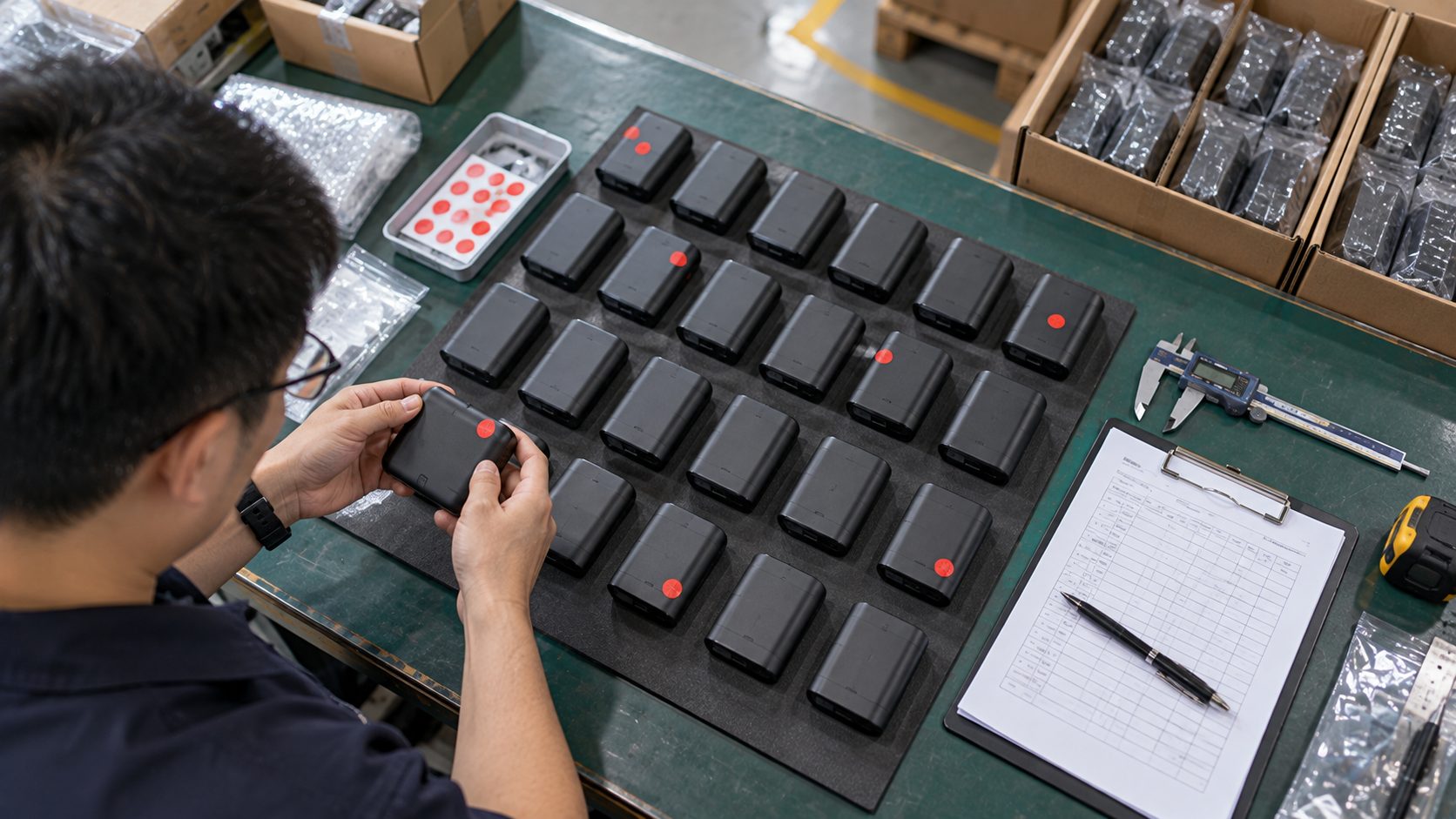
Suppose a shipment contains 5,000 units. Your agreed inspection plan leads to a sample of 200 units. The inspector does not calculate 2.5% of 5,000 and allow 125 defective products to ship.
Instead, the chosen sampling table gives acceptance and rejection numbers for the sample, depending on the AQL and defect class. The inspector counts observed nonconformities in the sample and compares them with those numbers.
The exact numbers depend on the standard, lot size, inspection level and plan. That is why quoting 'AQL 2.5' without the rest of the sampling setup is incomplete.
What are critical, major and minor defects?
Commercial inspections commonly separate critical, major and minor defects because the consequence of a defect matters.
A dangerous electrical fault, a product that does not function and a small cosmetic mark should not share one tolerance. The buyer therefore needs defect definitions that fit the product.
Copied defect templates fail quickly here. A list written for handbags is not a quality plan for a pump, toy, cable assembly or machined part.
Does AQL define product quality requirements?
Sampling tells you how many units to inspect and how to make an acceptance decision under the plan. It does not tell the inspector what colour the product should be, what torque is required, where the logo belongs or which dimension is critical.
Those requirements come from drawings, approved samples, specifications and the purchase agreement.
Think of AQL as the decision framework around the inspection, not the content of the inspection.
When should you use 100% inspection instead of sampling?
Sampling is attractive because it is efficient. It is not sacred.
For a very small lot, a high-value product, a known recurring defect or a characteristic where a miss is unusually costly, checking every unit for a defined feature may be sensible. In other situations, 100% visual inspection creates cost without meaningfully improving control.
The method should follow the risk.
What must be agreed before an AQL inspection?
Agree the lot definition, sampling approach, inspection level, AQL values if used, defect classes and product-specific checks before the inspector arrives. Then decide in advance what happens after PASS, FAIL or HOLD.
That last part is underrated. An inspection report is only useful if someone knows what decision it triggers.
Need the shipment checked before release? Quality Control →. Related reading: Pre-Shipment Inspection
Sources
- ISO 2859-5 — sampling schemes indexed by AQL for continuing series of lots
- ISO — definition/overview of acceptance quality limit
- ISO 2859-2 — sampling plans for isolated lots